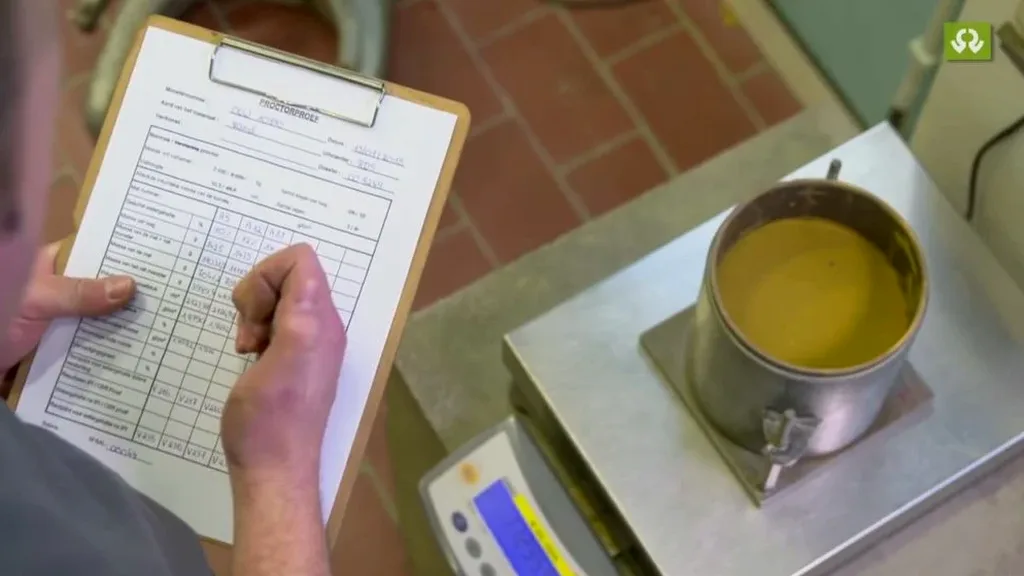
We see it too often in the Saguenay region: a contractor places lift after lift of fill, confident the job will pass, only to have density testing reveal the compaction curve they relied on was never built for the actual material on site. The Jonquière silty sands compact differently than the tills from Chicoutimi, and a generic Proctor borrowed from another project guarantees rework. Our laboratory runs the Proctor test on samples pulled directly from your borrow source to establish a moisture-density relationship the field crew can actually hit. This translates into fewer failed nuclear gauge readings and a smoother handover to the structural phase. For deep fills we often pair the Proctor with a sand cone density check to close the loop between lab curve and field compaction, and when the gradation looks borderline we verify it with a grain size analysis before the compactor ever arrives.
A Proctor curve built with the right borrow material is the cheapest insurance against failed density tests and fill rejection in Saguenay.
Area-specific notes
In Saguenay, we frequently see fill specifications that call for a Modified Proctor on material that should have been tested with the Standard effort — the result is an artificially low relative compaction that triggers unnecessary rework and wasted fuel. The opposite mistake, using Standard Proctor on a heavily trafficked haul road, leaves the pavement section under-compacted and prone to rutting after the first spring thaw. Another local risk is assuming the moisture-density relationship stays valid after a rainstorm; the silty sands common in the Jonquière area can see optimum shift by two percentage points if stockpiled material gets saturated. We recommend a new Proctor curve whenever the borrow source changes, after heavy precipitation that saturates the stockpile, or when visual classification suggests the gradation has shifted — which in the Saguenay fluvioglacial deposits can happen over just a few meters of lateral excavation.
Quick answers
How much does a Proctor test cost in Saguenay?
A Standard or Modified Proctor test typically runs between CA$150 and CA$320 per sample, depending on whether oversize correction is needed and the number of points on the curve. Rush turnaround may carry a small surcharge. We recommend running at least two Proctors for any fill volume over 500 m³ so you have a backup curve if the material changes.
When should I request a Standard Proctor versus a Modified Proctor?
Standard Proctor (ASTM D698) applies when the structural or geotechnical specification references 95% or 98% of standard maximum dry density — common for landscaping, shallow utility backfill, and lightly loaded slabs. Modified Proctor (ASTM D1557) is the default for road embankments, structural fill under footings in Saguenay, and any job referencing MTQ or NBCC compaction tables. If your spec sheet does not state which effort, check the target dry density: a value above 2,000 kg/m³ almost always implies Modified.
How long does it take to get Proctor test results?
Our standard turnaround in Saguenay is 48 hours from sample drop-off. For time-sensitive earthworks we can deliver a preliminary optimum moisture and maximum density within 24 hours; the full curve with saturation lines and oversize correction follows shortly after. Samples are oven-dried per ASTM D2216, and we report both the wet and dry side of the curve so your field supervisor can see the compaction window at a glance.